
Does Ad Strength Matter in Google Ads? impact on CTR Quality Score and performance
- April 3, 2026
- Google Ads

Does Ad Strength Matter in Google Ads?
If you’ve been running campaigns on Google Ads, you’ve probably noticed something called Ad Strength.
It shows up as a rating — Poor, Average, Good, or Excellent — and Google keeps pushing you to improve it.
But here’s the real question:
Does Ad Strength actually matter in Google Ads performance, or is it just a suggestion?
Most advertisers either ignore it or chase an “Excellent” rating—without questioning whether it actually improves performance.
In this guide, we’ll break down what Ad Strength really means and how you should use it the right way.
What is Ad Strength in Google Ads?
Ad Strength is a feedback tool used in Responsive Search Ads (RSAs). It evaluates how well your ad is built based on Google’s recommendations.

It mainly checks:
- How many headlines did you add
- How many descriptions are you using
- Whether your content is relevant
- How unique your messaging is
In simple terms, it tells you whether your ad has enough variation for Google to test different combinations.
Does Ad Strength Matter in Google Ads?
Let’s clear the confusion.
Ad Strength is not a direct ranking factor.
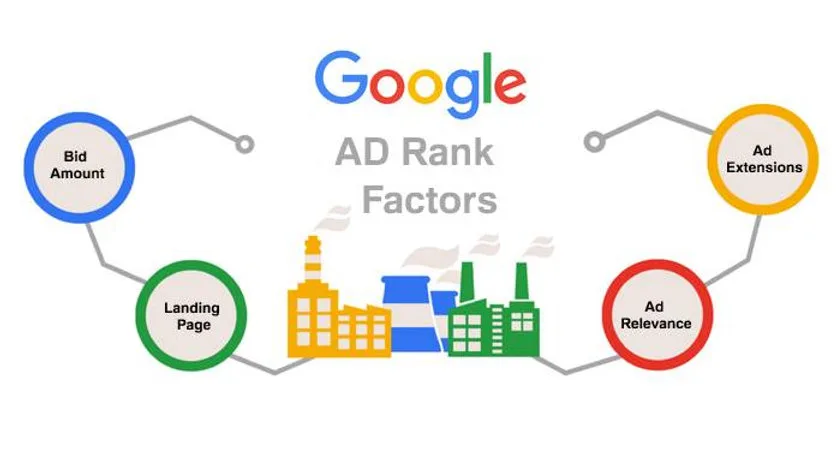
This means Google does not rank your ad higher just because it has an “Excellent” score.
However, that doesn’t mean it’s useless.
Ad Strength affects your performance indirectly. When you provide more headlines and descriptions, Google gets more options to test. This increases the chances of showing the right message to the right user.
Over time, this can elevate your click-through rate (CTR), ultimately strengthening overall campaign performance.
So yes, Ad Strength matters — but not in the way most people think.
How Ad Strength Impacts Ad Performance
Ad Strength impacts performance through a chain reaction.
When your ad includes multiple variations, Google can better match your ad with user intent. This can lead to more clicks on your ad.
Higher click-through rates (CTR) signal that your ad is relevant. Over time, this can positively affect your Quality Score.
A better Quality Score can result in:
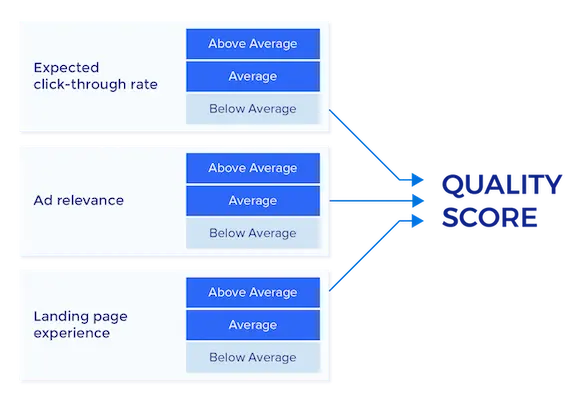
- Lower cost per click (CPC)
- Improved ad positions
- Better return on investment
Industry platforms like Optmyzr and WordStream have also highlighted that ads with more variations tend to perform better due to increased testing opportunities.
Why Google Introduced Ad Strength
Google’s advertising platform is heavily driven by automation and machine learning.
Ad Strength was introduced to guide advertisers toward creating ads that work well with automated systems.
Instead of manually testing ads, Google now handles optimisation by combining different headlines and descriptions. For this to work effectively, the system needs enough data.
Ad Strength encourages advertisers to provide that data.
It helps ensure:
- Better ad relevance
- Improved user experience
- More efficient campaign performance
In short, Ad Strength is Google’s way of helping advertisers build better ads for automated optimisation.
Key Factors That Affect Ad Strength
Several factors determine your Google Ads Strength rating.
Number of Headlines and Descriptions
Using more assets increases your chances of achieving a higher rating.
Variation in Messaging
Each headline should offer a unique idea, not just slight word changes.
Keyword Relevance
Your focus keyword should appear naturally in your ad copy.
Avoiding Repetition
Duplicate or similar headlines reduce effectiveness.
Ad Coverage
Cover different angles like benefits, features, offers, and calls to action.
When all these elements are balanced, your Ad Strength improves naturally.
Common Mistakes to Avoid
Advertisers often misunderstand how to use Ad Strength.
One common mistake is creating repetitive headlines. Changing just one word does not create real variation. Each headline should communicate a different idea or highlight a unique benefit.
Another mistake is ignoring user intent. Your ad should match what the user is actually searching for, not just include keywords.
Some advertisers also leave headline or description slots empty, which can limit performance.
And the biggest mistake? Chasing an “Excellent” score without focusing on conversions.
How to Improve Ad Strength the Right Way

Does Ad Strength Matter in Google Ads?
Improving Ad Strength is simple if you follow the right steps.
Write multiple headlines that cover different points, such as benefits, offers, and actions.
Use your main keyword naturally. Avoid adding it again and again.
Create at least three descriptions, and make sure each one highlights something different.
Keep your message clear and easy to understand.
After publishing your ad, check the performance and improve based on data, not just the score.
Should You Always Aim for Excellent Ad Strength
Not always.
If your ad is already performing well, there is no need to change it to achieve an “Excellent” rating.
However, if your campaign is underperforming, improving Ad Strength can help you discover better-performing combinations.
The key is to use Ad Strength as a guideline, not a goal.
Focus on performance metrics first. If improving Ad Strength helps those metrics, then it’s worth optimising.
Final Thoughts
So, does Ad Strength matter in Google Ads?
Yes, but in an indirect way.
It helps improve ad performance by giving Google more options to test and optimise. It does not directly affect rankings, but it supports better results over time.
Focus on writing clear and relevant ads. Understand your audience and track your results.
If you do this, your Ad Strength will improve naturally.

More from our blog
See all posts