SEO or Google Ads: Pros and Cons
- January 8, 2026
- Google Ads, SEO
If you’re a business owner, you’ve likely wondered at some point whether it’s better to invest in Google Ads or put your money into SEO.
Both approaches put your brand in front of people searching for products or services. Both can drive traffic, leads, and sales. And both play a critical role in modern digital marketing. But they work very differently, which is why comparing them isn’t always straightforward.
Some business owners want instant results, while others focus on long-term growth—and some want both.
In this guide, we’ll break down the pros and cons, explain how SEO and Google Ads actually work, and help you decide what’s best for your business based on goals, budget, and timeline.
SEO vs Google Ads: A Clear Explanation
Before we compare, it’s important to understand how each channel works.
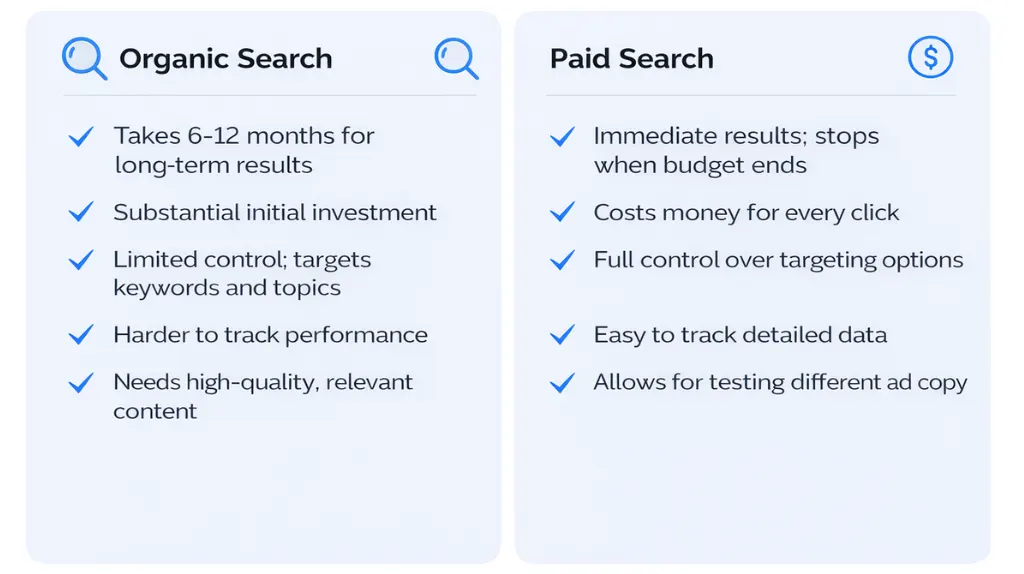
SEO focuses on improving your website so it ranks higher in organic search results on search engines like Google. SEO involves optimizing your website structure, content, and authority so search engines understand your pages and reward them with higher ranking positions.
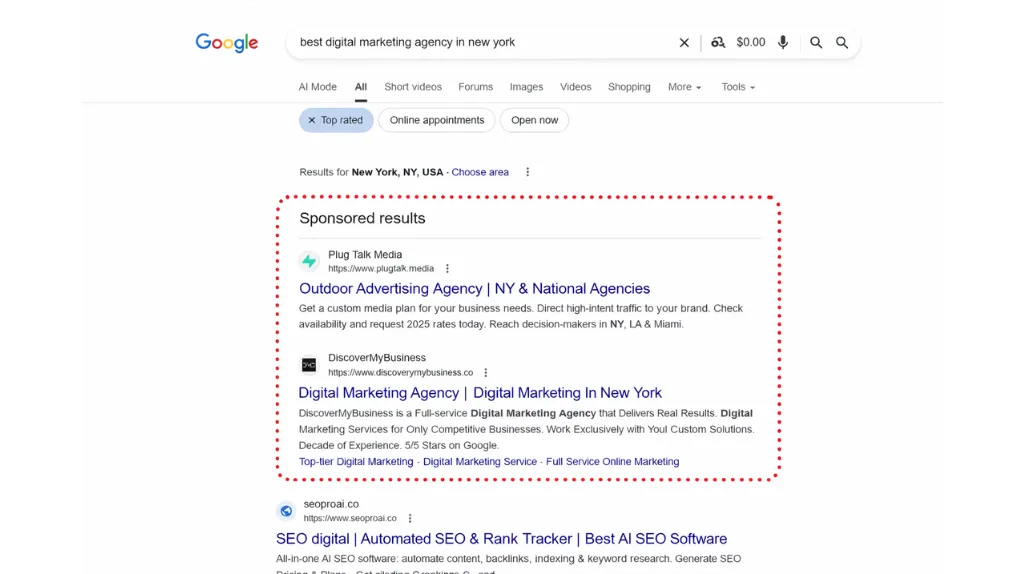
On the other hand, Google Ads is a paid platform where you create ads and bid on a particular keyword. When someone searches that term, ads appear at the top of the SERP. You pay per click, which is why it’s often called paid ads or SEM.
SEO is about building long-term equity; Google Ads is about renting attention for immediate results.
Both increase visibility and attract visitors, but the real difference lies in how they deliver results and how fast those results come.
How SEO Works
SEO is a long-term investment in your website’s growth and visibility.
SEO involves content creation, keyword research, technical SEO, and link building. The goal is to help your site appear higher in organic search results for relevant keywords your audience is searching for.
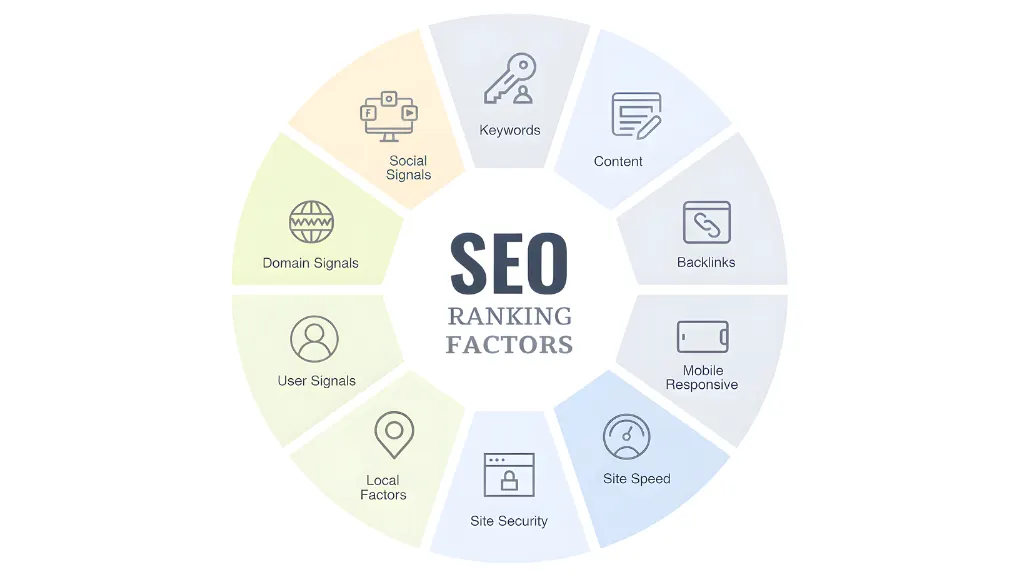
SEO work includes on-page SEO like optimizing title tags, meta descriptions, headings, and internal links. It also includes improving page speed, fixing technical issues, and creating high-quality content that addresses real user intent.
When done correctly, SEO efforts help your site earn organic rankings that bring consistent organic traffic without paying per click.
However, SEO requires patience. It can take months to start ranking on the first page of Google, especially in industries with high competition.
Google Ads Explained: How Paid Search Delivers Speed
Google Ads lets you create ads that appear at the top of Google search results almost instantly.
Instead of waiting for organic rankings, you bid on keywords. When someone searches that term, your ads could appear at the top of the page — even above organic results.
You control targeting, budgets, bids, and messaging. You can target users based on intent, location, device, and more. This makes Google Ads powerful for immediate results.
But Google Ads isn’t free. You pay cost per click, and competition can drive bids up quickly. The moment you stop paying, traffic stops too.
SEO vs Google Ads: The Key Difference
The key difference between SEO and Google Ads comes down to time, cost, and sustainability.
SEO focuses on long-term growth. Google Ads focuses on results quickly.
SEO builds organic rankings over time. Google Ads buys visibility instantly.
SEO compounds. Google Ads scales — but only while you pay.
This doesn’t mean one is better than the other. It means they serve different roles in a complete digital marketing strategy.
Visibility: Where and How You Appear
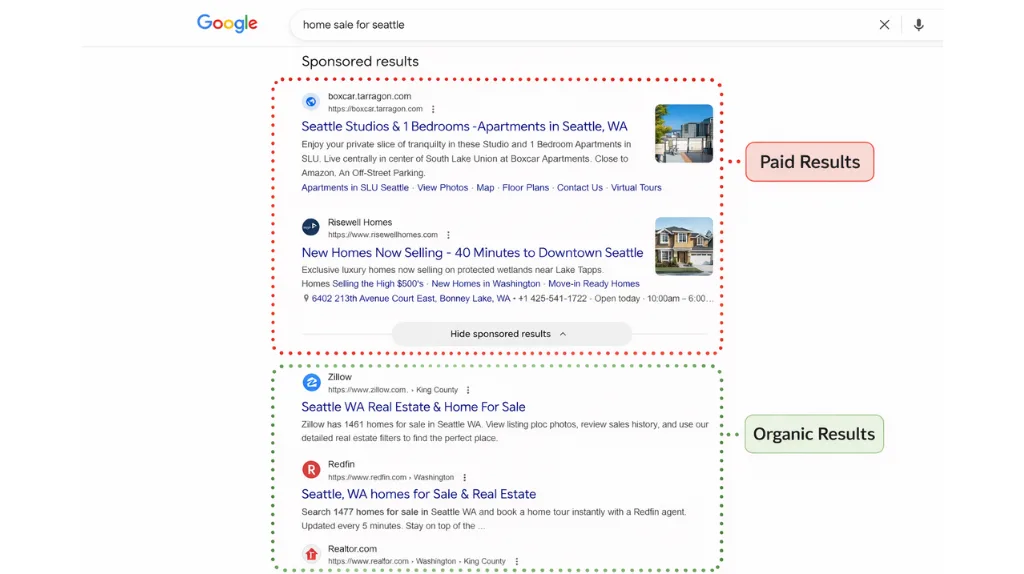
Visibility is often the main reason businesses consider Google Ads or SEO.
With SEO, your site appears in organic search results. These listings often earn more trust and higher click-through rates over time.
With Google Ads, ads appear above organic listings, giving you immediate exposure. Ads could dominate the SERP even if your site isn’t ranking yet.
The strongest brands often show up twice: once in paid ads and once in organic rankings. This combination of ads and organic listings builds authority and increases click opportunities.
Cost and Return on Investment
Cost is where SEO and Google Ads differ significantly.
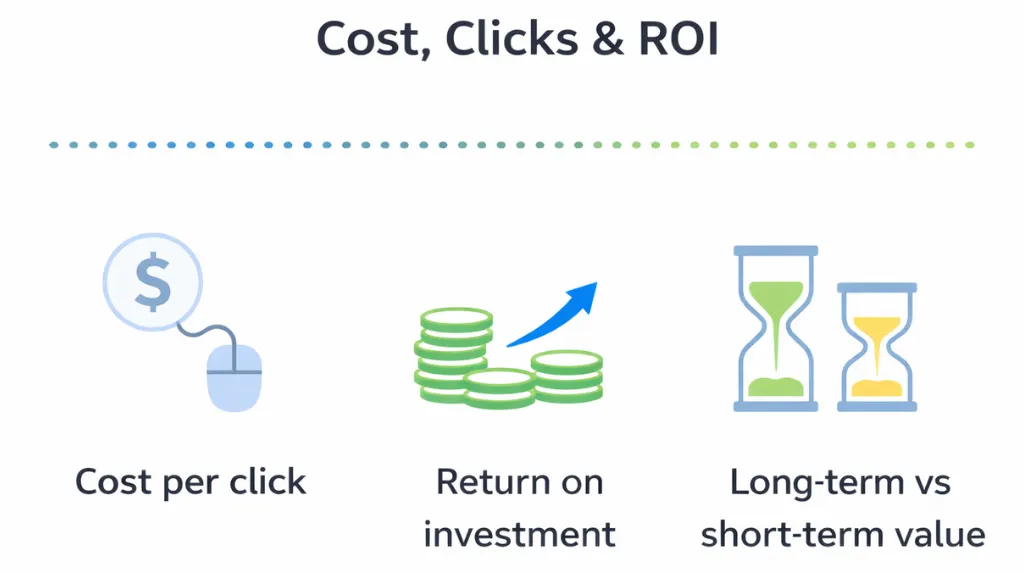
With Google Ads, you pay per click. Each visitor costs money, and cost per click increases in competitive markets. Bid management, quality score, and landing page experience all influence how much you pay.
SEO doesn’t charge per click. But SEO requires investment in content creation, technical improvements, and link building. While traffic is technically “free,” SEO requires consistent resources.
Over time, SEO often delivers a higher return on investment because traffic continues even when spending slows. Google Ads delivers predictable traffic but ongoing costs.
Ranking: How Fast Can You Start Ranking?
If speed matters, Google Ads wins.
You can launch ads campaigns today and start getting clicks tomorrow. This makes Google Ads ideal when you need immediate results, such as product launches or limited-time offers.
SEO ranking takes time. Even with strong SEO work, ranking improvements happen gradually as search engines evaluate content, backlinks, and user signals.
That said, once you start ranking organically, results tend to be more stable and sustainable.
Conversion and Conversion Rates
Traffic alone doesn’t matter. Conversion does.
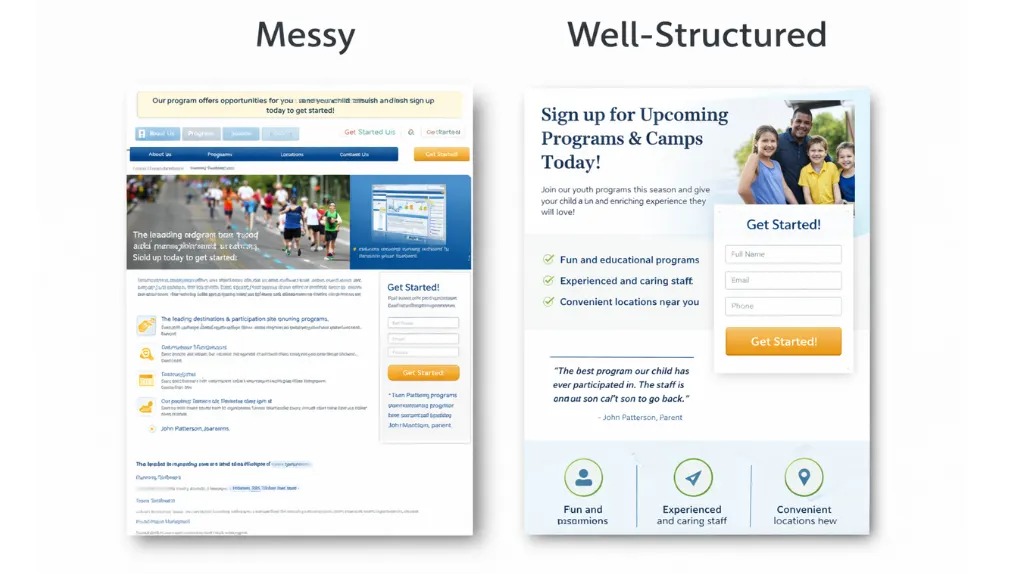
Google Ads often targets high-intent searches. People clicking ads are often closer to making a purchase. This can lead to strong conversion rates when ads and landing pages are aligned.
SEO traffic can convert just as well, especially when content targets the right keywords and search intent. Informational content supports early-stage prospects, while commercial pages convert later.
Both channels require optimized landing page experience, clear messaging, and alignment with user intent to drive conversions.
SEO Pros and Cons
SEO pros and cons depend on your goals and timeline.
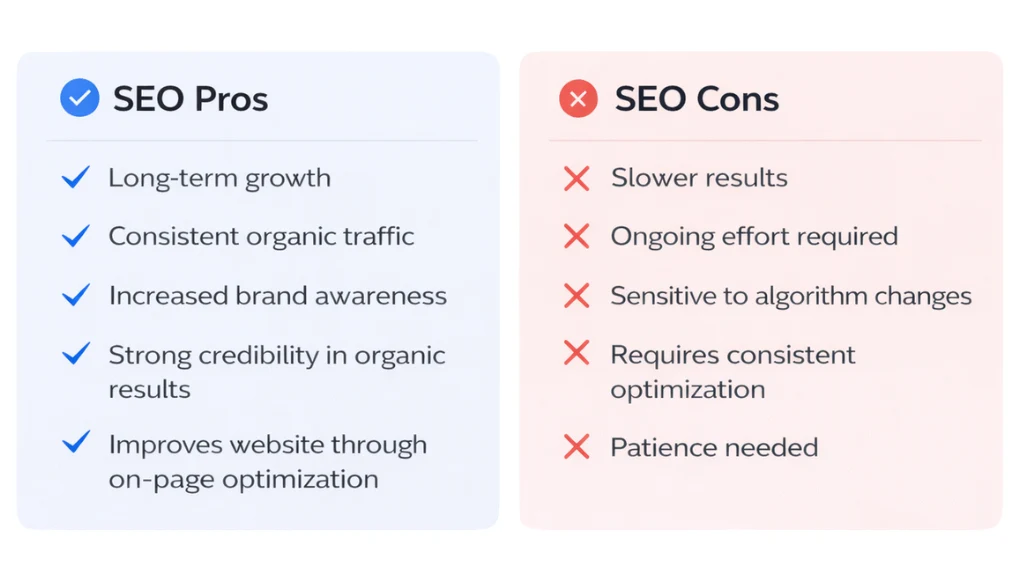
SEO pros include long-term growth, consistent organic traffic, increased brand awareness, and strong credibility in organic search results.
SEO also helps improve your entire website through on-page optimization, improving page speed, and creating content that addresses real customer questions.
SEO cons include slower results, ongoing effort, and sensitivity to algorithm changes. SEO requires consistent optimization and patience.
Google Ads Pros and Cons
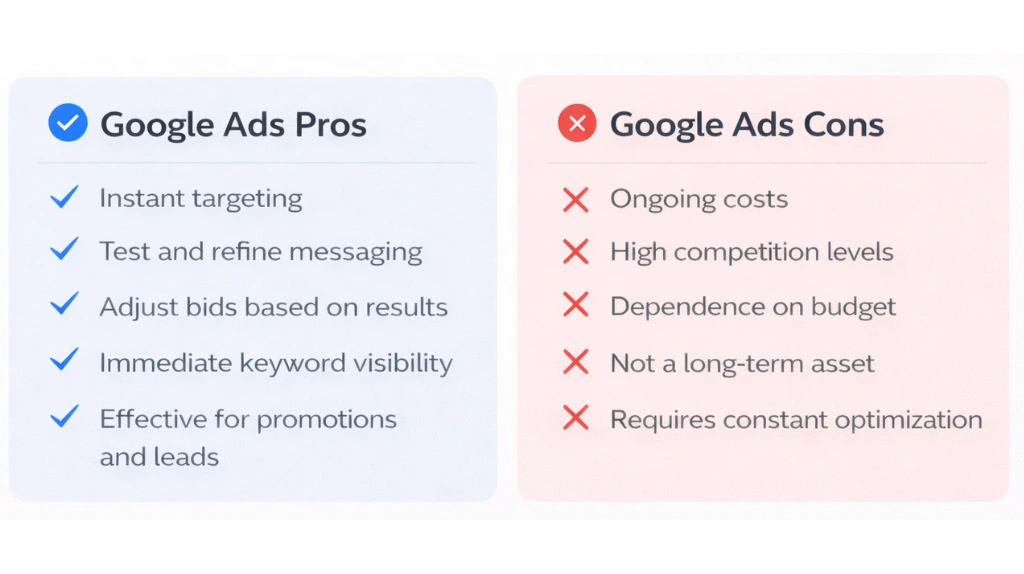
Google Ads pros include speed, precision, and control. You can target users instantly, test messaging, and adjust bids based on performance.
Ads appear at the top of the page, giving you immediate visibility for important keywords. Google Ads can work well for promotions, lead generation, and testing offers.
Google Ads cons include ongoing costs, high competition, and dependence on budget. Google Ads isn’t a long-term asset unless paired with strong strategy and optimization.
Use Google Ads or Invest in SEO?
So should you use Google Ads or invest in SEO?
The answer depends on your marketing goals.
If you need results quickly, Google Ads is often the better choice. If you’re focused on long-term growth, SEO is essential.
Businesses in high-competition markets often use Google Ads to gain traction while building SEO authority over time. Others invest in SEO first and supplement with paid ads strategically.
This isn’t an either-or decision.
How SEO and Google Ads Work Together
SEO and Google Ads are strongest when combined.
Google Ads can test which keywords convert before you invest in SEO. High-performing paid keywords can guide SEO strategy and content creation.
SEO data can also reduce ad spend. If you rank organically for certain keywords, you can lower bids or pause ads for those terms.
This is how SEO and paid strategies support each other. Google Ads and SEO together provide coverage across the entire funnel.
Struggling to Make Google Ads Worth the Spend?
We'll help you identify your account bottleneck and show you exactly where money's leaking.
Book A Free Discovery CallSEO and Google Ads in Real Business Scenarios
For a new business, Google Ads provides fast visibility while SEO builds credibility.
For established brands, SEO delivers compounding organic traffic while ads scale promotions and seasonal demand.
For eCommerce, ads drive immediate sales while SEO builds long-term product visibility.
In all cases, SEO also improves the overall health of your website, which supports paid performance too.
Which Is Best for Your Business?
There’s no universal answer to SEO vs Google Ads.
If your budget is limited and time allows, invest in SEO. If you need leads now, use Google Ads. If you want stability and scale, combine both.
The best strategies align SEO work with paid ads so they support each other instead of competing.
Final Thoughts: SEO vs Google Ads
When businesses compare SEO or Google Ads, they often look for a winner. But the real advantage comes from using both strategically.
SEO builds authority, organic rankings, and long-term traffic. Google Ads delivers immediate results, testing, and scale.
The smartest brands don’t choose one — they design systems where SEO and Google Ads work together to grow traffic, conversions, and revenue.
If you’re ready to grow sustainably, partnering with a professional

I am Satbir Singh, an SEO and Google Ads specialist focused on helping businesses grow their online presence. I work on improving search visibility, increasing qualified traffic, and boosting conversions through effective digital marketing strategies.
More from our blog
See all posts